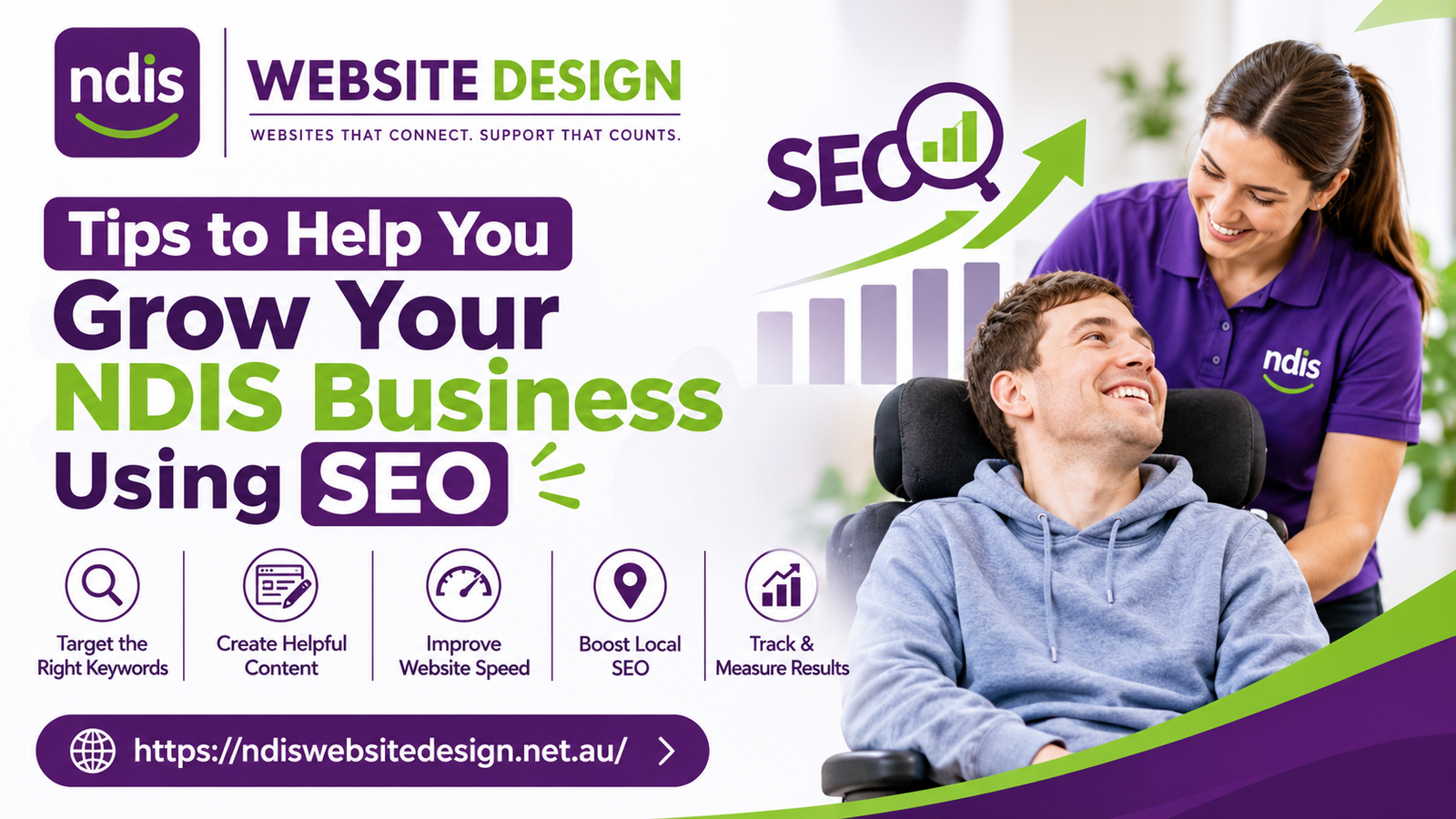
Running an NDIS business takes time and effort. You need to manage your team, support participants, handle enquiries and keep your services running smoothly. But what happens when you are doing all this and still not getting enough new enquiries?
In many cases, people may simply be unable to find your business online. They might be searching for personal care, community access or support coordination in their area, but your website does not appear in their search results. As a result, they contact another provider instead.
This is where NDIS SEO services can help. They make your website easier to find when people search for NDIS support. More importantly, they help you reach people who are already looking for the services your business provides.
Let’s look at some simple ways to improve your website, reach more local people and grow your NDIS business.
1. Start by Understanding What People Search for When They Need NDIS Support
Before working on your website, think about how people search for an NDIS provider. Most visitors will not know your business name when they first need support. They will search for the service they want or the problem they need help with.
For example, they may search for:
- NDIS support workers near me
- Personal care services in Melbourne
- NDIS community access providers
- Support coordination in Sydney
- Help with daily living under the NDIS
These searches tell you what people need. They also help you understand which words to use on your website.
Begin by listing the main services that you offer, along with the locations where you provide these services. Next, find search terms that relate to these services. You can use tools like Google Keyword Planner and Google Search Console to find out what people search for.
This is the first step towards better NDIS SEO Services. Rather than adding random keywords to your website, you focus on the words your potential clients are likely to use.
Understanding what people are looking for allows you to create website pages that answer their needs. This also gives your business a better chance of appearing in relevant search results.
2. Make Your Website Clear So Visitors Can Find the Support They Need
Imagine someone visits your website because they need help with daily activities. They look around but cannot understand what services you offer, which areas you cover or how to contact your team.
What do you think they will do? They may leave and visit another provider’s website.
This is why your website should make things simple from the moment someone lands on it. Visitors should not have to search through several pages to understand your services.
Make sure your homepage clearly explains:
- Who you support: Explain the people your business works with.
- What services you offer: Give a short overview of your main NDIS services.
- Where you work: Mention your service locations and suburbs.
- How people can contact you: Add your phone number, email address and enquiry form.
You should also create a separate page for each main service. For example, personal care, community access and support coordination should have their own pages.
Why does this matter? Someone searching for community access should land on a page that explains community access, not a general page covering every service.
Having clear service pages on your website makes it easier for visitors to find the information they need about your business and services. It also helps Google to understand what your business offers, which is an important part of SEO for NDIS providers. A useful website can help to support both your visibility in search engines and the number of enquiries that your website receives.
3. Help People in Your Service Areas Find Your NDIS Business
Many people prefer an NDIS provider who works in their local area. They may want regular support close to home or a team that understands their community.
If your business serves several suburbs, make sure people can find that information online. Do not expect visitors to guess where you work.
Here are a few ways to improve your local visibility:
- Create location pages: Add pages for the main suburbs and areas where you provide services.
- Mention local services: Explain which NDIS services are available in each area.
- Update your Google Business Profile: Check your business name, phone number, opening hours and service areas.
- Add real photos: Use suitable photos of your workplace, team or business activities, with permission.
- Ask for honest reviews: Invite clients or families to share feedback if they are comfortable doing so.
For example, if you provide personal care in Parramatta, create a useful page that explains this service and your availability in the area. Avoid creating several pages with the same text and only changing the suburb name.
This approach supports local SEO for NDIS providers. It helps people find your business when they search for services in the areas you cover.
Remember, local visibility is not just about appearing on Google. It is about helping the right people understand where you work and whether your services meet their needs.
4. Answer the Questions People Have Before Choosing an NDIS Provider
Choosing an NDIS provider can take time. Participants and families may want to understand how a service works, what support is available and what they should check before making a decision.
If your website does not answer these questions, visitors may look elsewhere for information. A blog can help you answer common questions and give people useful information before they contact your team.
You can write articles on topics such as:
- What does an NDIS support worker do?
- How can I choose the right NDIS provider?
- What is included in NDIS personal care?
- How does community access support work?
- What should I ask an NDIS provider before getting started?
- Can I change my NDIS provider?
Keep your articles simple and helpful. Explain each topic as if you were talking to someone who is learning about NDIS services for the first time.
You can also link your blogs to relevant service pages. For example, an article about personal care can link to your personal care service page. This gives readers a clear next step if they want to learn more.
Helpful blogs are an important part of NDIS SEO Services because they bring useful information to your website. They can also help your business build trust with people who may need your services.
5. Give Each NDIS Service Its Own Page Instead of Putting Everything Together
One common website problem is trying to explain every service on a single page. While this may seem easier, it can make things confusing for visitors.
Think about someone searching for support coordination. They want to know what support coordination involves and whether your business offers it. If they land on a page filled with information about personal care, transport and other services, they may struggle to find the answer.
Instead, create separate pages for the services you provide.
Each service page should explain:
- What the service involves
- Who may need this type of support
- How your team provides the service
- Which areas you cover
- How someone can ask about the service
For example, your community access page should explain how you support participants with community activities, social outings or other suitable activities. Keep the information accurate and only describe services your business actually provides.
This also helps your website target different searches. Someone looking for community access can find the relevant page, while someone searching for personal care can visit a separate page.
For SEO for NDIS providers Australia, this is a useful way to make your website more relevant to different services and locations. It also gives visitors a better experience because they can find information that matches what they need.
6. Make Sure Your Website Works Well on Mobile Phones
Think about how often people use their phones to search for local services. A family member might be looking for an NDIS provider while travelling or during a short break at work.
If your website is slow, difficult to read or hard to use on a phone, visitors may leave before contacting you.
Check your website on a mobile phone and look at these things:
- Does the homepage load without taking too long?
- Is the text easy to read?
- Can visitors tap the phone number to call you?
- Is the enquiry form simple to complete?
- Can people move between pages without difficulty?
Also, check that all buttons and links work properly. Remove unnecessary pop-ups and avoid adding too much information to one page.
A mobile-friendly website makes it easier for people to explore your services and contact your team. It also supports your SEO work because website speed and ease of use are important parts of a good website experience.
7. Show People Why They Can Trust Your NDIS Business
When someone looks for an NDIS provider, they are not just comparing services. They also want to know whether they can trust the people behind the business.
Your website should help visitors understand your team, your experience and the way you support participants.
You can build trust by adding:
- About Us page: Introduce your business and explain your approach to support.
- Team information: Share suitable staff details and qualifications where relevant.
- Client feedback: Add genuine reviews or testimonials with permission.
- Clear service details: Explain what you offer without making unrealistic promises.
- Contact information: Make it easy for people to speak with your team.
For example, a short introduction about your team’s approach can help visitors understand what makes your service different. Real feedback can also help people learn about other clients’ experiences.
Do not add claims you cannot prove or use photos and testimonials without permission. Keep your information honest and up to date.
When people find clear answers and genuine information on your website, they have more reason to feel comfortable contacting your business.
8. Check Whether Your Website Is Bringing the Right Visitors
Getting more website traffic may sound like a good result, but traffic alone does not tell you whether your business is growing.
Imagine your website gets hundreds of visits every month, but you receive very few enquiries. This could mean that visitors are not finding the information they need, or your website is attracting people who are not looking for your services.
You need to check what happens after people visit your website.
Tools such as Google Analytics and Google Search Console can help you understand:
- How many people visit your website
- Which pages receive the most visits
- What search terms bring people to your website
- Which pages receive fewer visits
- Whether people are finding your website through local searches
If a service page gets visits but very few enquiries, review the page. Is the service explained clearly? Does it mention the areas you cover? Is your contact information easy to find?
These small checks can help you understand what needs to change. Good SEO for NDIS providers should focus on bringing relevant visitors who may need your services, not just increasing website traffic.
9. Choose SEO Support That Understands the Needs of NDIS Providers
Running an NDIS business already involves many responsibilities. You may be managing staff, responding to enquiries, supporting participants and handling daily business tasks. Finding time to manage your website and SEO can be difficult.
If you want outside help, choose an SEO team that understands your business and the people you want to reach.
Before working with an SEO provider, ask a few simple questions:
- How will you improve my website?
- Which services and locations will you focus on?
- Will you create separate service and location pages?
- How will you track website visits and enquiries?
- How often will you share progress reports?
A good SEO team should explain its work in simple language. You should understand what changes are being made and how they support your business goals.
When looking for affordable NDIS SEO services, do not choose based on cost alone. Look at the work included, the experience of the team and whether the plan matches your business needs.
The aim is not to get more reports or add more keywords to your website. It is to help people find your services and make it easier for them to contact you.
10. Keep Your Website Updated as Your NDIS Business Grows
Your business may not offer the same services or cover the same areas forever. You may add new support options, expand into nearby suburbs or update your team. When these changes happen, your website should reflect them.
An old website can create problems. Someone may enquire about a service you no longer provide or contact a phone number that is no longer in use.
Make a habit of checking your website and updating:
- Your list of NDIS services
- Your service areas and locations
- Staff details and business information
- Phone numbers and email addresses
- Old blogs and service pages
- Links and enquiry forms
You can also add new blog topics based on questions you receive from participants and families. This keeps your website useful and gives visitors more reasons to explore your services.
SEO needs regular attention. You do not have to make big changes every week, but small improvements can help your website stay useful as your business grows.
Final Words: Grow Your NDIS Business by Making It Easier for People to Find You
You may already provide the support people need, but that does not mean they can find your business online. If your website is unclear, your service pages are missing or your local details are not updated, you could be missing valuable enquiries.
Start with the basics. Understand what people search for, make your service pages clear, improve your local visibility and answer common questions through helpful content. Also, check whether your website is bringing the right visitors and making it easy for them to contact you.
With the right approach, NDIS SEO Services can help your business reach more people who are looking for support. You do not need to change everything at once. Focus on the areas that need attention and keep improving your website as your business grows.
If you want to improve your website visibility and reach more people looking for NDIS support, explore our NDIS SEO services or visit NDIS Website Design to learn more.
Frequently Asked Questions
How long does SEO take to show results for an NDIS business?
SEO takes time. You may notice early changes within a few months, but stronger results depend on your website, competition, content and ongoing work.
Why does my NDIS website get visitors but few enquiries?
Visitors decide to leave when they find unclear service descriptions and they struggle to locate contact information and their questions remain unanswered on your website.
How can local SEO help my NDIS business grow?
Local SEO helps people discover your NDIS services through their search activities, which focus on nearby service providers. The system boosts local business display and operates as a direct communication system which connects interested customers to your business.
Do NDIS providers need separate pages for each service?
Yes. Separate service pages explain each offering clearly, help visitors find relevant information and allow Google to understand which services your business provides.